

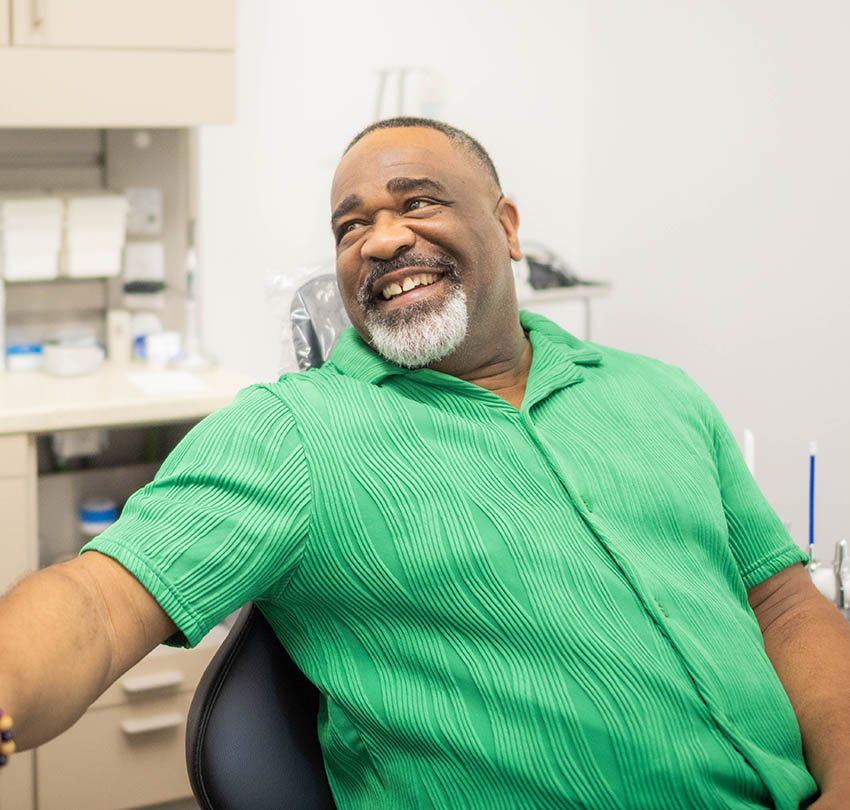

Xiaoli H
The tech for cleaning is amazing. I have dry mouth and sensitive teeth. The tech made the process comfortable and easy. No pain at all.

Porcelain veneers typically last 10 to 15 years, and often longer, with proper care. Their lifespan depends largely on your bite, your daily habits, and how consistently you keep up with routine dental visits. Veneers do not require special products to maintain — they simply need the same care as your natural teeth, plus a little extra attention to protect the porcelain edges.
If you are considering veneers, or you already have them and want to make them last, here is what actually determines their lifespan and the everyday habits that protect your investment at our Pensacola, FL practice.
Porcelain veneers are thin, custom-made shells bonded to the front surface of your teeth to change their shape, color, or alignment. Because porcelain closely mimics the way natural enamel reflects light, veneers can create a bright, natural-looking smile while remaining remarkably durable when properly cared for. You can see the full range of options on our dental veneers page.
Most porcelain veneers last between 10 and 15 years before they need replacement, though it is not unusual for well-maintained veneers to last even longer. The porcelain itself is highly resistant to staining and wear, but the bond holding the veneer to your tooth, along with the edges of the restoration, can be affected by grinding, trauma, or years of normal use. Replacement typically becomes necessary due to chipping, a change in fit, or gum recession that exposes the edge of the veneer — not because the porcelain simply “wears out.”
Clenching or grinding your teeth, especially at night, places repeated stress on veneer edges and can lead to chipping over time. If you grind, wearing a nightguard is one of the most effective ways to protect your veneers.
Veneers are strong, but they are not indestructible. Habits like chewing ice, biting fingernails, or using your teeth to open packaging put unnecessary stress on the porcelain and the bond beneath it.
Veneers do not decay themselves, but the natural tooth structure beneath and around them can. Consistent brushing and flossing protect the margins where the veneer meets your gum and tooth.
Routine exams allow us to check the condition of your veneers, your bite, and the health of the surrounding gum tissue, catching small issues before they become bigger problems.
Not all veneers are made the same way, and the material affects both longevity and how they are placed. Porcelain veneers are fabricated in a lab from an impression or digital scan of your teeth, then bonded into place at a follow-up visit. They are highly resistant to staining and, as discussed above, typically last 10 to 15 years or more. Composite veneers, by contrast, are sculpted directly onto the tooth in a single visit using tooth-colored resin. They tend to be a faster, more conservative option, but generally do not last as long as porcelain and are more prone to staining over time. Which option makes sense for you depends on your goals, timeline, and how many teeth you are addressing.
Between regular visits, it helps to know what warrants a call to our office rather than waiting for your next scheduled exam. Reach out if you notice a visible chip or crack, a rough edge you can feel with your tongue, a veneer that feels like it has shifted, new sensitivity around a specific tooth, or gum tissue that looks like it is pulling away from the edge of a veneer. Addressing these early is almost always simpler than waiting until the issue affects the underlying tooth.
Veneers are often compared to crowns, but the two solve different problems. A veneer covers only the front surface of a tooth and is typically used for cosmetic changes on teeth that are otherwise structurally sound. A crown covers the entire tooth and is generally recommended when a tooth has significant decay, a large existing filling, or has been weakened structurally. If you are unsure which option fits your situation, that is exactly the kind of question worth bringing to a consultation, since the right choice depends on the condition of the tooth underneath, not just the look you want to achieve.
Veneers are considered a long-term cosmetic solution, but they are also a piece of a larger smile plan for many patients. If you are correcting more than a few teeth, or addressing bite issues alongside cosmetic concerns, it may be worth discussing a full smile makeover so every part of your treatment plan works together. For patients whose main concern is simply brightening their smile rather than reshaping it, professional teeth whitening may be a simpler starting point before committing to veneers.
Veneers tend to be a strong fit for patients who:
Dr. Christopher M. Campus has practiced dentistry in his hometown of Pensacola since 2008, and his approach to cosmetic work is grounded in creating results that hold up over time, not just on the day they are placed. In our Pensacola practice, we talk through your bite, your habits, and your goals before recommending veneers, so the smile you invest in is one that lasts.
The porcelain itself cannot decay, but the natural tooth structure at the edges of the veneer can, which is why consistent brushing and flossing around them remains essential.
Contact us as soon as possible. Depending on the damage, a veneer can sometimes be repaired, though a chipped or loosened veneer often needs to be replaced to maintain a proper seal.
Porcelain resists staining much better than natural enamel, though the cement line at the edges can pick up staining over time, which is another reason routine cleanings matter.
The process involves minimal preparation of the tooth surface and is generally well tolerated. We will walk you through exactly what to expect and manage any sensitivity along the way.
Most veneer treatment involves an initial consultation and planning visit, a preparation appointment, and a placement appointment once your custom veneers are fabricated. The exact number of visits can vary depending on how many teeth are involved and whether any additional treatment is needed first.
If your veneers are due for a check or you are ready to explore whether veneers are right for your smile, schedule your visit with Biodental Health and Longevity in Pensacola, FL.