

Xiaoli H
The tech for cleaning is amazing. I have dry mouth and sensitive teeth. The tech made the process comfortable and easy. No pain at all.
Oral appliance therapy is a custom-fitted dental device, worn during sleep, that gently repositions your jaw or tongue to keep your airway open — offering a smaller, quieter, travel-friendly alternative to a CPAP machine for many people with mild to moderate obstructive sleep apnea. It will not replace CPAP for every patient, but for those who cannot tolerate the mask, hose, and noise, it can be an effective way to finally get consistent treatment.
If you have been diagnosed with sleep apnea — or you suspect you have it and dread the idea of a CPAP machine — here is how oral appliance therapy works, who it is right for, and how it compares to CPAP at our Pensacola, FL practice.
An oral appliance is a custom-made device, similar in appearance to a sports mouthguard or retainer, that you wear while you sleep. Most designs work by gently holding your lower jaw slightly forward, which keeps the airway behind your tongue more open and reduces the collapsing of soft tissue that causes snoring and apnea episodes. Because it is custom-fitted to your mouth using precise impressions or digital scans, it fits securely and comfortably, unlike an over-the-counter option.
During sleep, the muscles in your throat relax. In people with obstructive sleep apnea, this relaxation allows soft tissue to partially or fully block the airway, interrupting breathing repeatedly through the night. By slightly advancing your jaw position, an oral appliance creates more space behind the tongue and helps prevent that airway collapse, allowing for steadier breathing and better sleep quality. You can learn more about how we approach diagnosis and treatment on our sleep apnea page.
Oral appliance therapy tends to work best for patients who:
Patients with severe sleep apnea may still benefit from an oral appliance, sometimes in combination with CPAP or other therapies, but this should always be guided by your sleep physician and our team together.
| Factor | Oral Appliance | CPAP |
|---|---|---|
| Size & portability | Small, fits in a pocket case, easy to travel with | Machine, hose and mask; bulkier to travel with |
| Noise | Silent | Motor and airflow noise, though modern units are quieter |
| Power source | None needed | Requires electricity |
| Best suited for | Mild to moderate obstructive sleep apnea | Mild to severe obstructive sleep apnea |
| Adjustment period | Typically shorter; mild jaw or bite adjustment | Can take longer to adjust to mask and pressure |
CPAP therapy is highly effective when used consistently, and for many patients with moderate to severe sleep apnea, it remains the recommended first-line treatment. But “used consistently” is the key phrase. Studies on CPAP adherence have long shown that a significant share of patients struggle to wear their mask through the night, every night, for the years of ongoing use that treatment requires. Common complaints include a feeling of claustrophobia, dry mouth or nasal congestion, difficulty finding a comfortable mask seal, and simply feeling too restricted to sleep naturally. When CPAP sits unused in a closet, it is not treating anything — which is exactly the gap oral appliance therapy is designed to fill.
The process starts with a review of your sleep study results and a conversation about your symptoms, followed by digital scans or impressions of your teeth. Your appliance is custom-fabricated to fit precisely, and we adjust it over a series of follow-up visits to find the ideal jaw position — enough to open the airway without causing unnecessary strain. Many patients notice improved sleep and reduced snoring within the first few weeks of consistent use.
For some patients, an oral appliance is not an either-or decision against CPAP. Combination therapy — using an oral appliance alongside a lower-pressure CPAP setting, or using each option in different situations, such as an appliance while traveling and CPAP at home — can be a reasonable path for certain patients with more significant apnea. Positional therapy, weight management, and treating nasal congestion or allergies can also play a supporting role alongside either device. The right combination depends on your specific diagnosis and how your body responds, which is why we coordinate closely with your physician throughout treatment.
Like a nightguard, your appliance should be cleaned daily and stored in its case during the day. If you already use a protective device for teeth grinding, it is worth discussing with our team how that relates to your sleep apnea treatment; we also offer custom mouthguards for patients managing both grinding and airway concerns.
For appropriately selected patients, oral appliance therapy can meaningfully reduce apnea episodes and improve sleep quality. Success depends on proper diagnosis, a well-fitted appliance, and consistent nightly use. Because sleep apnea severity varies widely, we work alongside your physician to confirm the appliance is providing adequate improvement, sometimes with a follow-up sleep study.
One advantage that helps explain the treatment’s real-world success is adherence. Because the device is small, quiet, and requires no power source or hose, patients are often far more likely to wear it every single night compared to a CPAP mask. Since the benefit of any sleep apnea treatment depends entirely on consistent use, a slightly less powerful therapy that you actually wear night after night can outperform a more powerful therapy that sits unused. That practical reality is a major reason oral appliance therapy has become such a widely recommended CPAP alternative for the right candidates.
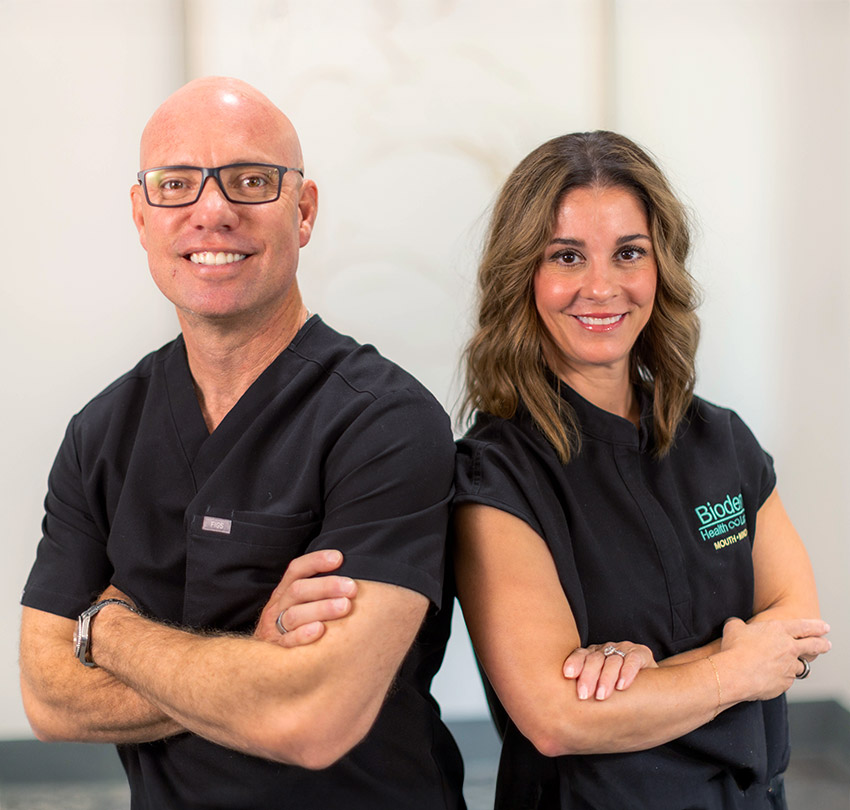
Sleep apnea treatment at our practice is guided by Dr. Christopher M. Campus, who has practiced dentistry in Pensacola since 2008. In our Pensacola practice, we often see patients who have tried CPAP and given up on treatment altogether out of frustration. Our goal is to help you find an option you will actually use consistently, because a treatment that stays in a drawer does not help anyone sleep better.
Yes. A diagnosis of sleep apnea from a sleep study is needed to determine severity and confirm that an oral appliance is an appropriate treatment for your case.
Many patients experience a significant reduction in snoring, though results vary by individual. The appliance is fitted and adjusted specifically to your anatomy to maximize effectiveness.
Some patients do, particularly with mild to moderate apnea, but this decision should be made together with your sleep physician to make sure your treatment remains effective.
With proper care, most appliances last several years, though this can vary based on wear, bite changes, and how consistently the device is used.
Minor bite changes are possible with long-term use, which is why we monitor your bite and jaw comfort at follow-up visits. Reporting any new discomfort promptly allows us to make adjustments before it becomes a bigger issue.
Oral appliance therapy is generally considered for adults with a confirmed diagnosis. Sleep-related breathing concerns in children involve different evaluation and treatment approaches, so this is best discussed directly with our team and your child’s physician.
If CPAP has not worked for you, or you are looking for a more comfortable way to manage sleep apnea, schedule your visit with Biodental Health and Longevity in Pensacola, FL, to see if oral appliance therapy is right for you.