

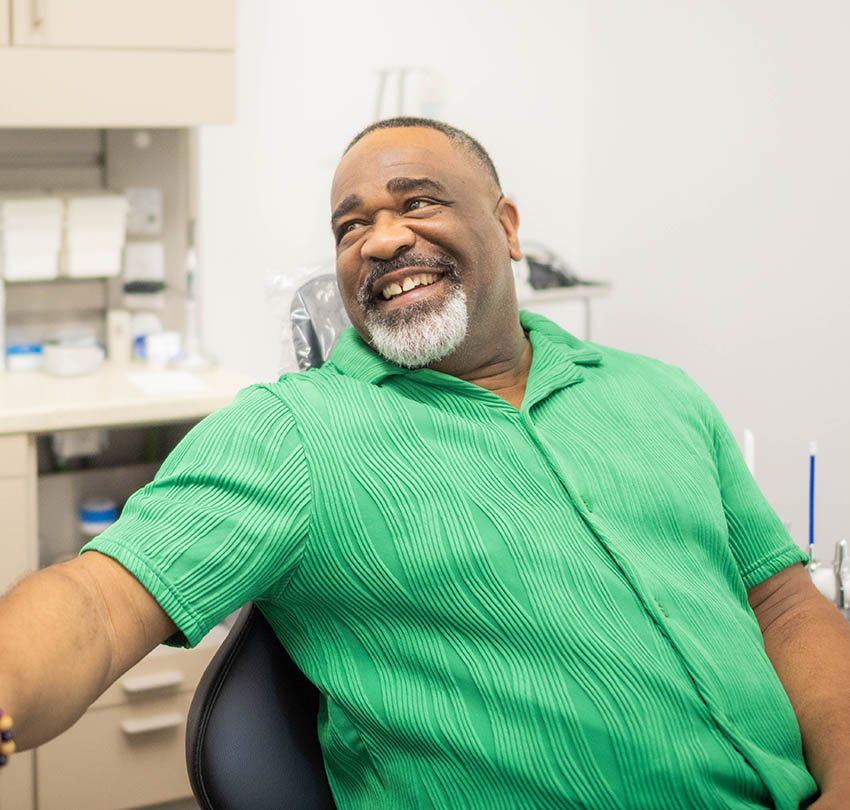

Xiaoli H
The tech for cleaning is amazing. I have dry mouth and sensitive teeth. The tech made the process comfortable and easy. No pain at all.

Loud, chronic snoring, gasping or choking during sleep, and persistent daytime fatigue despite a full night’s rest are among the most common signs of sleep apnea. If you or a partner have noticed these patterns, it is worth talking to a professional — and a dentist is often one of the first providers who can spot the warning signs and help you find relief, including through dental sleep apnea treatment.
Sleep apnea is more than just noisy sleep. It is a condition where your breathing repeatedly stops and starts throughout the night, and it can affect far more than how rested you feel. At our Pensacola practice, we regularly help patients recognize the signs and understand how dental care fits into a broader treatment picture.
Sleep apnea is a sleep disorder in which breathing repeatedly pauses during sleep, often because the airway becomes partially or fully blocked. The most common form, obstructive sleep apnea, happens when the soft tissue at the back of the throat relaxes and collapses, narrowing or closing the airway. Each pause can last several seconds, and it can happen dozens or even hundreds of times a night without you ever fully waking up or remembering it.
Because these interruptions can occur without your awareness, many people live with undiagnosed sleep apnea for years, simply assuming they are “bad sleepers” or dealing with ordinary tiredness.
There are other, less common forms of sleep apnea as well, including central sleep apnea, where the brain temporarily fails to signal the breathing muscles at all rather than the airway becoming physically blocked. Regardless of the type, the common thread is the same: sleep that looks restful on the surface is actually interrupted again and again, night after night.
Occasional snoring is common, but loud, persistent snoring — especially snoring that is noticeably different from typical light snoring — is one of the most recognized signs of obstructive sleep apnea. It happens as air struggles to move through a narrowed airway.
If a partner has noticed you gasping, choking, or going silent for periods during sleep, this is a significant red flag. These pauses are the hallmark of sleep apnea and are often more noticeable to a bed partner than to the person experiencing them.
Because sleep apnea fragments your sleep even when you do not fully wake up, it can leave you feeling exhausted, foggy, or irritable during the day — even after what seemed like a full night in bed. Difficulty concentrating and unexplained mood changes are common companions.
Waking up with a headache, a dry mouth, or a sore throat can also point toward disrupted breathing overnight, particularly if it happens regularly rather than as an occasional occurrence.
Some people with sleep apnea wake up several times a night without remembering it, or simply feel like they never reach a deep, restorative stage of sleep no matter how many hours they spend in bed.
Dentists are often positioned to notice signs of sleep apnea before other providers, since we regularly examine the mouth, jaw, and airway structure during routine visits. Signs like a scalloped tongue, worn teeth from nighttime grinding, or a narrow airway can all be clues worth discussing further.
Once sleep apnea is identified — typically confirmed through a sleep study — a dentist can provide a custom-fitted oral appliance designed to reposition your jaw slightly forward, helping keep your airway open during sleep. For patients who cannot tolerate a CPAP machine, this kind of dental appliance can be a more comfortable, easier-to-use alternative. This overlaps with the kind of custom devices we also provide for nighttime teeth grinding, such as custom mouthguards, since both involve carefully fitting an appliance to your bite and airway.
While anyone can develop sleep apnea, certain factors make it more likely. Being aware of these can help you decide whether it is worth bringing up sooner rather than later:
None of these guarantee that you have sleep apnea, and their absence does not rule it out either. They simply help paint a fuller picture when combined with the symptoms you are experiencing.
You may want to bring up sleep apnea at your next visit if you experience:
Sleep apnea does not just affect how rested you feel — untreated, it places ongoing strain on your body. Bringing up these symptoms with a professional who can evaluate your airway is worth doing sooner rather than later.
Because a dental visit already includes a close look at your mouth, jaw, and bite, it is a natural, low-pressure place to raise these concerns. You do not need to wait for a separate sleep-specific appointment to start the conversation — mentioning your symptoms at a routine visit is often enough to get the evaluation process moving.
Dr. Christopher M. Campus has practiced in Pensacola since 2008, and in our practice, we often see patients who never connected their fatigue, headaches, or snoring to their dental exam until we pointed out what we were seeing in their mouth and jaw. That whole-body perspective is part of what makes a dental visit a valuable place to start the conversation about sleep.
A dentist can identify signs and risk factors and refer you for a sleep study, which is typically how sleep apnea is formally diagnosed. From there, a dentist can help provide treatment through a custom oral appliance.
For many patients with mild to moderate sleep apnea, an oral appliance can be an effective alternative, particularly for those who struggle to tolerate CPAP. Severity and individual factors determine what is most appropriate, which is why a proper evaluation matters.
Not always, but loud or chronic snoring — especially combined with gasping, choking, or daytime fatigue — is worth having evaluated rather than dismissed.
Ongoing interrupted breathing puts continued strain on your body and can affect your energy, focus, and overall well-being over time. Identifying and addressing it early is always preferable to letting it go unaddressed.
Yes, sleep apnea can affect children, though the signs can look different, such as hyperactivity or trouble concentrating in school rather than daytime fatigue. If you have concerns about a child’s breathing or sleep, it is worth mentioning at a dental or medical visit.
We start by examining your mouth, jaw, and airway during a visit. If we notice signs consistent with sleep apnea, we will discuss next steps, which typically begin with a sleep study to confirm a diagnosis before any appliance is fitted.
If snoring, fatigue, or interrupted sleep sound familiar, do not wait to find out what your mouth might be telling you. Schedule your visit with Biodental Health and Longevity in Pensacola, FL, and let’s talk about your options.