

Xiaoli H
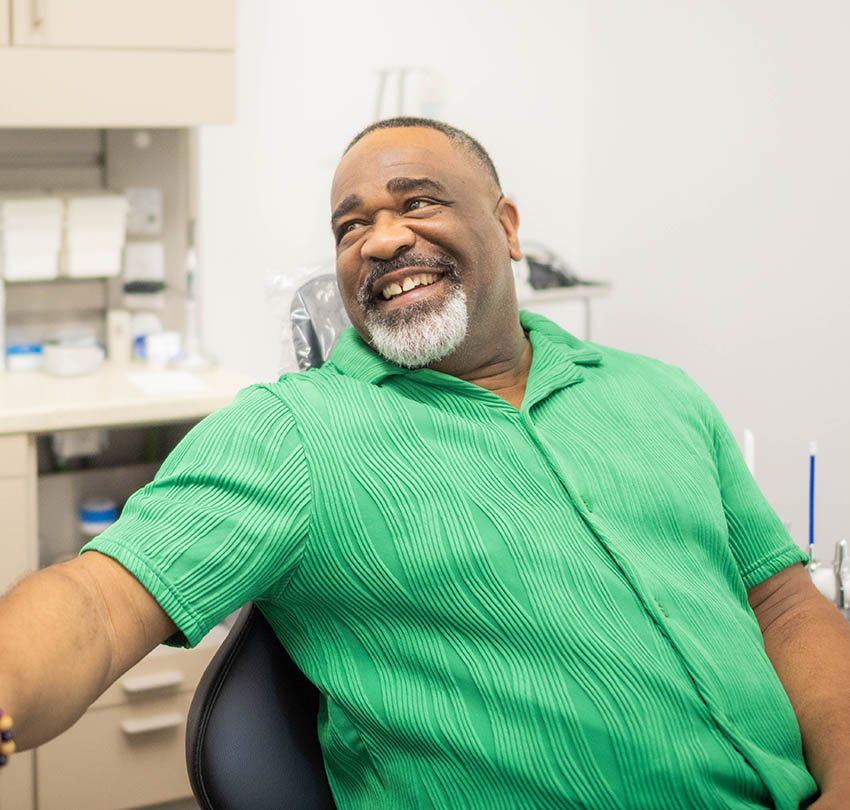
The tech for cleaning is amazing. I have dry mouth and sensitive teeth. The tech made the process comfortable and easy. No pain at all.
Oral microbiome testing is a saliva-based diagnostic tool that analyzes the bacteria, fungi, and viruses living in your mouth. At Biodental, we use it to reveal the microbial balance connected to gum disease, cavities, bad breath, and even systemic conditions like heart disease and diabetes, giving you a clearer picture of your whole-body health.
Your mouth is home to hundreds of microbial species. Some protect your teeth and gums. Others quietly drive inflammation, decay, and disease. Testing shows you which is which.
We view this test as a window into more than just your smile. True health begins in your mouth, and the microbes living there tell a bigger story about your body.
The oral microbiome is an ecosystem. It includes bacteria, fungi, and viruses that live on your teeth, gums, tongue, and cheeks. Some of these microbes are helpful. They aid digestion, support immune function, and keep harmful species in check. Others are pathogenic and linked to problems like tooth decay, periodontal disease, and chronic inflammation.
Oral microbiome testing identifies exactly which species are present and in what quantities. A small saliva sample is all it takes. Dr. Campus and our team review that sample data in the context of your broader wellness picture, not in isolation.
Not every microbe in your mouth is a threat. In fact, a balanced oral microbiome is what keeps you healthy. Testing helps sort the good from the harmful.
When harmful species outnumber helpful ones, dysbiosis occurs. That imbalance is often the earliest sign of oral disease, sometimes appearing years before a cavity or gum problem shows up on an exam. Catching that shift early is one of the biggest advantages this kind of testing offers over waiting for visible symptoms.
You have two main options for testing your oral microbiome. Each has its place, and the right choice often depends on your goals and health history.
Our in-office testing is paired with a conversation about what the results mean for you. That personal interpretation is where most of the value lies, especially when the numbers point to changes you can actually make in daily life.
Your mouth isn’t separate from the rest of your body. Research continues to connect oral bacteria to conditions far beyond the gums, including cardiovascular disease, type 2 diabetes, Alzheimer’s disease, and pregnancy complications. Oral health is closely tied to systemic wellness, which makes the microbiome a meaningful health marker worth watching over time.
Testing gives you data. That data helps you and our team make smarter choices about prevention, nutrition, and treatment. It’s a foundational tool in biological dentistry, where we treat your mouth in harmony with your body. Because the mouth acts as a gateway to the rest of the body, small microbial imbalances there can ripple outward in ways that a purely structural exam would never catch.
Oral microbiome testing works by collecting a saliva sample, sequencing the DNA and RNA of the microbes present, and comparing your microbial profile against health-associated baselines. The lab then generates detailed scores for gum health, cavity risk, and breath quality. Results are typically ready within a few weeks and are reviewed with your provider.
Here’s what to expect from start to finish.
You’ll provide a saliva sample, usually first thing in the morning before brushing, eating, or drinking. This timing matters. It ensures the sample reflects the true microbial community without being diluted by toothpaste or food.
Your sample heads to a specialized laboratory. There, advanced sequencing technology reads the genetic material of every microbe present. This isn’t a simple bacteria count. It identifies species down to the strain level and measures how abundant each one is.
Dr. Campus, whose advanced training informs how our team applies this data, reviews these sequencing results with an eye toward what they mean for your long-term health, not just your next cleaning.
The lab compares your microbial profile against thousands of samples from people with known health outcomes. This benchmarking is what makes the results meaningful. Your test shows how your microbiome stacks up against people with healthy gums, cavity-free teeth, and fresh breath.
Results come back as easy-to-read scores across several categories:
Each score comes with context. You’ll see which microbes are driving the number and what that means for your care.
Numbers alone don’t change your health. What matters is what you do with them. Our team walks you through your results, connects them to your symptoms and health history, and builds a plan that fits your body. That plan may include focused oral hygiene changes, dietary adjustments, ozone therapy, or select probiotics designed to shift your microbial balance.
Turnaround time varies by lab, but most results are ready within a few weeks. Follow-up testing every six to twelve months helps track progress and shows whether your daily habits are moving the needle.
Testing your oral microbiome offers insights that a standard dental exam simply can’t provide. It looks below the surface, at the microbial level, where disease begins long before symptoms appear.
Certain bacteria, like Streptococcus mutans, produce acids that dissolve enamel. If your test shows high levels of these species, you’re at elevated risk for decay, even if your teeth currently look fine. Knowing this lets you take action early, before restorative work becomes necessary.
Periodontal disease is driven by pathogens like Porphyromonas gingivalis and Tannerella forsythia. Testing identifies these microbes before your gums start bleeding or receding. This matters for prevention, because early intervention is far more effective than treating advanced periodontitis.
Halitosis is often blamed on poor hygiene, but the real culprit is usually microbial. Sulfur-producing bacteria on the back of your tongue and between your teeth release compounds that create persistent bad breath. Testing pinpoints which species are responsible so treatment can address the actual cause instead of masking the symptom.
Certain oral bacteria have turned up in artery plaques, brain tissue affected by Alzheimer’s, and joints affected by rheumatoid arthritis. Your test can flag species associated with these systemic conditions, giving you and your medical providers additional data to work with.
Generic advice like “brush and floss” only goes so far. With microbiome data, our team can recommend particular products, dietary changes, and therapies matched to your microbial profile. That might mean a certain probiotic strain, a purpose-built mouth rinse, or a nutritional shift to starve harmful bacteria.
Your microbiome isn’t static. It shifts with diet, stress, medications, and treatment. Repeat testing shows whether your interventions are working. You get measurable feedback, not guesswork.
This kind of data-driven care is central to biological dentistry. It moves prevention from reactive to proactive, helping you look, feel, and live better. Over months of follow-up, patients often see clear evidence that their daily choices are reshaping their oral ecosystem for the better.
Both testing methods play important roles. One looks at what’s happening at the microbial level. The other examines what’s visible and structural. Together, they give a complete picture of your oral health.
Traditional exams are excellent at finding problems that already exist. A cavity has to form before it can be seen or felt. Bone loss has to occur before it shows on an X-ray. Microbiome testing works differently. It identifies the bacterial conditions that cause these problems in the first place.
Think of it this way. A visual exam tells you the house is on fire. Microbiome testing tells you the wiring is faulty before the sparks fly. That head start is what makes prevention possible rather than reactive.
We don’t view microbiome testing as a replacement for traditional dentistry. It’s a powerful addition. Here’s how they complement each other:
Our team uses all three when appropriate. That’s how we help you discover the connection between mouth, mind, and body.
Oral microbiome testing generally ranges from roughly $100 to $300 for at-home kits and $200 to $500 for professionally administered in-office testing, depending on the depth of analysis and the number of health scores included. Provider consultation fees, follow-up testing, and additional therapies can affect the total investment. HSA and FSA funds are often eligible.
Costs vary based on several factors.
At-home kits are the more budget-friendly entry point. You collect the sample yourself and receive results in a report. The trade-off is that you’re often on your own when it comes to interpreting the data.
In-office testing costs more, but the value is in the personalized guidance. Your provider connects the dots between your microbial profile, your symptoms, your medical history, and your treatment options. For most patients, that context is what makes the results actionable rather than confusing.
Dental insurance rarely covers microbiome testing at this time. However, many patients use Health Savings Accounts (HSA) or Flexible Spending Accounts (FSA) to pay for it, since the test is considered a preventive health measure. Check with your plan administrator for current eligibility, as coverage rules can change from year to year.
Our team is happy to talk through payment options that fit your situation and explain what a wellness-focused testing plan might involve.
Testing on its own gives you data. Pairing it with a cleaning, exam, and preventive plan turns that data into action. Patients who combine microbiome testing with regular preventive visits often see the strongest results, because they’re addressing both current issues and future risks in one coordinated plan. That coordination also means fewer surprises down the road.
Oral microbiome testing isn’t for everyone, but many people benefit significantly. If you’ve dealt with recurring dental issues, chronic bad breath, or systemic health concerns tied to inflammation, this test can offer answers you won’t get from a standard exam.
If you have a stable dental history, no chronic issues, and no systemic health concerns, routine microbiome testing may not add significant value beyond regular preventive care. Our team will help you decide whether it’s worth including in your plan. We don’t recommend tests you don’t need, and we’ll always explain our reasoning.
Our practice treats your mouth as part of your whole body. Testing fits naturally into that philosophy, and it reflects how we approach care from your first visit onward.
Dr. Christopher M. Campus, DDS, brings advanced training that shapes how our team interprets results and builds plans. We combine microbiome data with leading-edge technology like PNOE metabolic breath analysis, HOCATT therapy, red light therapy, and hyperbaric oxygen therapy to support your whole-body health. It’s a wellness-centered model built to help you look, feel, and live better.
When testing reveals imbalances, we don’t stop at the report. We build a plan. That might include ozone therapy, select probiotics, nutritional coaching, biomimetic dentistry to preserve natural tooth structure, or metal-free restorations that work in harmony with your body.
Yes, modern DNA and RNA sequencing is highly accurate at identifying and quantifying microbial species. Testing labs use validated methods that can detect hundreds of bacteria, fungi, and viruses down to the strain level. Accuracy also depends on proper sample collection, which is why timing (before brushing and eating) matters so much.
Most patients benefit from testing every six to twelve months. That interval gives your microbiome enough time to respond to changes like dietary adjustments, probiotics, or focused therapies, so follow-up results show meaningful progress. Patients making major changes may test more frequently, while stable patients may extend to annual testing.
Yes. Microbiome testing identifies the bacteria that cause gum disease and cavities before physical damage occurs. High levels of pathogens like Porphyromonas gingivalis or Streptococcus mutans flag elevated risk, allowing preventive action long before an exam or X-ray would reveal a problem.
Not always. At-home kits allow you to collect and mail in a saliva sample without a dental visit. However, in-office testing at your dental home provides the added benefit of professional sample collection and expert interpretation. Most patients get more value when results are reviewed with a provider who knows their history.
Yes, your oral microbiome is dynamic and responds to changes in diet, hygiene habits, medications, and focused therapies. Meaningful shifts can occur within a few weeks, though lasting change often takes three to six months of consistent effort. Follow-up testing confirms whether your interventions are working.
The sequencing technology used by reputable at-home labs is comparable to in-office testing. The main differences are sample collection quality and result interpretation. In-office testing ensures the sample is collected correctly and includes a professional review that connects results to your broader health picture. At-home testing is convenient and cost-effective, but you may miss context that a provider can offer.
Want to discover the connection between mouth, mind, and body? Our team at Biodental welcomes patients interested in wellness-focused care and learning how testing fits into a preventive plan. If you’re curious whether oral microbiome testing is right for you, we’re glad to talk it through and help you treat your mouth & body to excellence. Schedule online to learn more.