

Xiaoli H
The tech for cleaning is amazing. I have dry mouth and sensitive teeth. The tech made the process comfortable and easy. No pain at all.
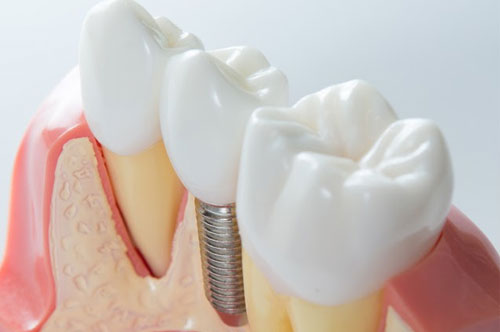
Ceramic & Zirconia Dental Implants are the metal-free alternative to titanium, made from zirconium dioxide, a strong biocompatible ceramic. These tooth-colored implants replace missing tooth roots without introducing any metal into your body. At Biodental in Pensacola, our team offers these implants for patients seeking treatment that works in harmony with the body.
Zirconia is 100% metal-free. That single fact changes everything for patients with sensitivities, allergies, or a preference for biocompatible materials. The implant itself is a small, white, screw-shaped post that fuses with your jawbone, replacing the natural root of a lost tooth.
The white color matters more than you might think. Titanium implants can create a gray shadow at the gum line, especially if gum tissue is thin or recedes over time. Zirconia’s tooth-like shade blends naturally with surrounding tissue, making it a favorite for front-tooth replacement.
You’ll find zirconia implants in two main designs:
Zirconia is a natural fit for patients who want to avoid metal for health reasons, cosmetic reasons, or both. It’s also a strong choice for anyone drawn to biological dentistry, where every material choice is measured against its impact on whole-body health. If you’ve had adverse reactions to metal jewelry, previous dental restorations, or medical implants, ceramic implants offer an option without those concerns.
True health begins in your mouth, and choosing an implant material that supports the rest of your body is part of that philosophy. Patients across the Pensacola area come to us precisely because they want dental care that respects the whole system, not just the tooth in question.
Zirconia implants work through osseointegration, the natural process where your jawbone fuses directly to the ceramic surface. After a damaged tooth is removed, a zirconia post is placed into the bone. Healing typically takes 3 to 6 months, after which a custom crown is attached.
Here’s what the process usually looks like from start to finish at Biodental:
Zirconia has a slightly rougher, more porous surface than polished titanium at the microscopic level, which can encourage strong bone attachment. Many patients report a comfortable recovery, especially when non-invasive techniques and ozone therapy are used to support healing.
Same-day approaches are possible in select cases. When bone density and gum health allow, we can place an implant immediately after extraction and, in some cases, attach a temporary restoration the same day. This reduces treatment time and preserves the natural contour of your gums.
Recovery support at Biodental often includes:
The goal is simple: place your implant precisely, protect the tissues around it, and give your body every advantage during healing. Our Pensacola team works through each stage with you so you always know what comes next.
Zirconia implants offer real advantages for patients who care about how dental materials interact with the rest of the body. The benefits go beyond appearance.
For patients who choose biological dentistry, these benefits align with a broader philosophy: every material in your mouth should support, not compromise, your whole-body health. Many patients tell us that keeping metal out of the body simply brings them peace of mind.
The material also tends to be kinder to the gums cosmetically. The area right where the implant meets your gum line stays pink and natural-looking instead of showing a metallic edge over time. That difference is especially noticeable for Pensacola patients replacing a front tooth, where every millimeter of gum shows when you smile.
If you’ve been hesitant about implants because of concerns over metal, ceramic gives you a solid, natural-looking option that fits with the way you already care for your body.
Both materials have earned their place in modern dentistry. The right choice depends on your health priorities, aesthetic goals, and clinical situation.
Zirconia is a ceramic, formed from zirconium dioxide. Titanium is a metal alloy, typically combined with small amounts of aluminum and vanadium. This fundamental difference drives most of the other distinctions.
Ceramic wins on both counts for patients focused on metal-free care. Its white color prevents any gray show-through, and its inert nature means it doesn’t release ions into surrounding tissue.
Titanium has slight elasticity, which allows it to absorb chewing forces in a way that can benefit certain restorations. Ceramic is harder and less flexible, but modern manufacturing has made these implants highly durable and fracture-resistant.
Titanium implants are usually two-piece, giving your biological dentist maximum flexibility in angling the final crown. Ceramic was traditionally one-piece, though two-piece designs are now widely available.
Titanium remains a strong choice for complex cases with heavy angulation needs or specific restorative requirements. Ceramic is often recommended for patients with metal sensitivities, cosmetic concerns at the gum line, or a preference for biological dentistry.
Zirconia implants tend to cost somewhat more than titanium due to material and manufacturing expenses. The total investment depends on the number of implants, whether bone grafting is needed, and the type of final restoration. Consultation and 3-D imaging determine the specific cost for your case.
Several factors shape the final investment:
Insurance coverage for ceramic can vary. Some plans reimburse at the standard implant rate, while others may not cover the difference between ceramic and metal. Our Pensacola team helps you understand your benefits and how to make the most of them.
Biodental offers several financing options, including payment plans and a Membership Club, to make treatment accessible. We’ll walk through the numbers with you before any work begins.
Long-term value is worth considering. A well-placed zirconia implant is built to serve you for decades, sparing you the repeat costs of failing bridges or removable dentures. When you factor in durability, biocompatibility, and freedom from metal-related concerns, many patients find ceramic implants pay off both in comfort and in fewer future repairs to their whole-body health.
Most healthy adults with missing teeth can qualify for zirconia implants. The best candidates share a few common traits, and a consultation with digital imaging is how our Biodental team confirms eligibility.
You may be a strong candidate if you have:
Bone grafting isn’t a barrier to treatment. It’s a common step that rebuilds the foundation your implant needs. Ozone therapy and PRF can support graft integration and shorten recovery time.
Your consultation includes a full evaluation, 3-D scanning, and a conversation about your goals and health history. This is where Dr. Campus and our team confirm whether zirconia is the right choice, or whether another approach might serve you better. Patients throughout Pensacola trust us to bring specialized training in biological dentistry to this decision.
Modern zirconia implants are highly durable and engineered to withstand the daily forces of chewing. While titanium has been the industry standard longest, today’s ceramic implants have a strong clinical track record and hold up well over time. For most single-tooth and multi-tooth cases, ceramic offers comparable strength.
With proper care, zirconia implants are designed to last for decades. Longevity depends on oral hygiene, regular dental visits, bite forces, and overall gum health. Patients who maintain healthy gums and attend routine appointments typically see excellent long-term results from their ceramic implants.
Yes. The tooth-colored white ceramic blends with your natural gum tissue, preventing the gray shadow that titanium can show if gums recede. This makes the material especially popular for front teeth and any highly visible area of your smile.
Implant placement is performed with local anesthesia and sedation options for your comfort. Our team uses non-invasive techniques, robotic-assisted precision, and supportive therapies like PRF and ozone to help you heal comfortably. Most patients describe recovery as much easier than they expected.
No. Ceramic is 100% metal-free, so it cannot trigger reactions to nickel, chromium, titanium, or other metals. This is the primary reason many metal-sensitive patients choose ceramic implants.
Ready to see if metal-free implants are right for you? At Biodental, our team, led by Dr. Christopher M. Campus, DDS, will help you discover the connection between mouth, mind, and body. Schedule your consultation today and take the first step toward a healthy, metal-free smile.