



Xiaoli H
The tech for cleaning is amazing. I have dry mouth and sensitive teeth. The tech made the process comfortable and easy. No pain at all.
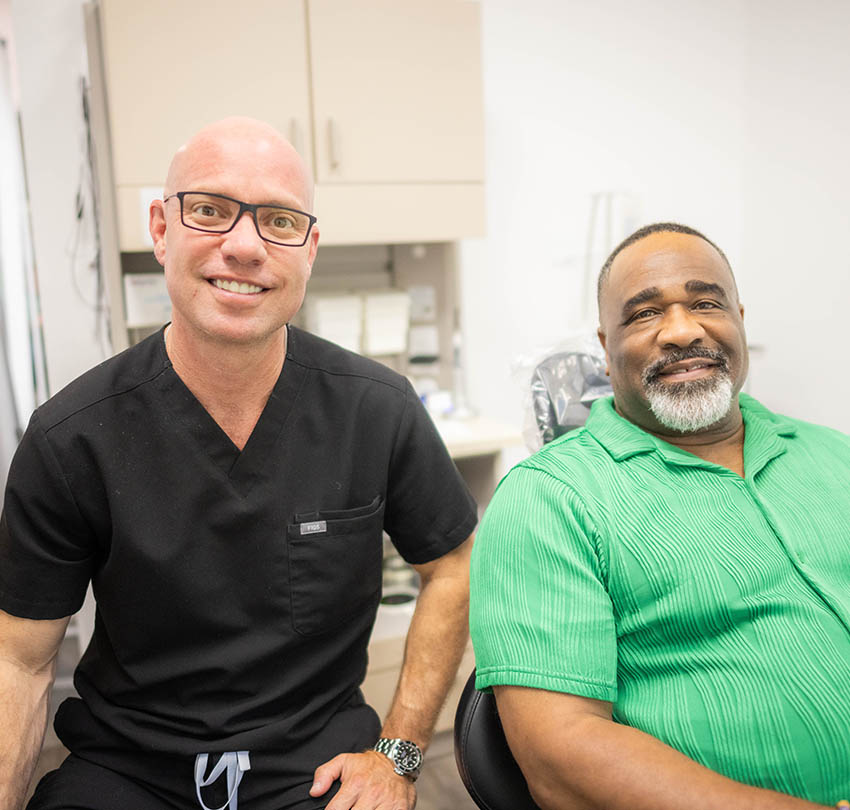
A regular cleaning removes plaque and light tartar from the surfaces of healthy teeth and above the gumline, while a deep cleaning — also called scaling and root planing — treats gum disease by removing bacteria and tartar from below the gumline and smoothing the tooth root itself. The difference isn’t about how thorough your hygienist feels like being that day; it’s determined by the health of your gums, measured by the depth of the pockets around each tooth.
If your dentist has recommended a deep cleaning and you’re wondering why it’s different — or costs more, or takes longer — than the cleaning you’re used to, here’s exactly what separates the two, and how our Pensacola practice, Biodental Health and Longevity, approaches each one.
A regular cleaning, sometimes called a prophylaxis, is the routine cleaning most people picture when they think of a dental visit. Your hygienist removes plaque and tartar buildup from the visible surfaces of your teeth and just below the gumline, then polishes your teeth to remove surface stains. This visit is paired with an exam and typically takes place as part of your routine dental cleanings and exams, generally every six months for patients with healthy gums.
Regular cleanings are preventive. Their job is to keep healthy gums healthy by not letting plaque and tartar accumulate to the point where they cause inflammation or disease.
A deep cleaning is a therapeutic procedure, not a routine one. It’s recommended when gum disease has already taken hold — when plaque and tartar have spread below the gumline and created pockets between the tooth and gum tissue. The procedure has two parts: scaling, which removes tartar and bacteria from the tooth surface and root, and root planing, which smooths the root itself so gum tissue can reattach and heal rather than continuing to trap bacteria.
Because it treats a larger, deeper area than a routine cleaning, a deep cleaning is often done in sections, sometimes using local anesthetic to keep you comfortable, and may take more than one visit to complete.
The decision isn’t based on preference — it’s based on a simple measurement. During your exam, we measure the depth of the pocket between each tooth and the surrounding gum tissue with a small probe. Shallow, healthy pockets typically call for a regular cleaning. Deeper pockets, along with signs like bleeding, redness, or bone loss visible on X-rays, point toward a deep cleaning as part of non-surgical gum disease treatment.
| Feature | Regular Cleaning | Deep Cleaning |
|---|---|---|
| Purpose | Preventive maintenance for healthy gums | Treatment for existing gum disease |
| Area treated | Tooth surfaces and just below the gumline | Below the gumline, including the tooth root |
| Gum pocket depth | Shallow, healthy pockets | Deeper pockets with signs of disease |
| Anesthetic | Not usually needed | Often used for comfort |
| Number of visits | One visit | Often completed in sections over more than one visit |
| Frequency | Typically every six months | As needed, followed by more frequent maintenance cleanings |
Traditional scaling and root planing can sound intimidating, but modern techniques have made the process considerably more comfortable. We use guided biofilm therapy, a gentler method that combines air polishing and precise ultrasonic instruments to remove bacteria and biofilm with less discomfort and less removal of healthy tooth structure than older approaches. You can read more about how it works in our article on guided biofilm therapy as a gentler approach to deep cleaning.
It can be tempting to think of a deep cleaning as simply “a more thorough version” of a regular cleaning, but the two procedures address fundamentally different situations. A regular cleaning maintains gums that are already healthy. A deep cleaning is treating an active infection — gum disease is a bacterial infection of the tissue and bone supporting your teeth, and left untreated, it can progress from mild inflammation (gingivitis) to more advanced disease that damages the bone anchoring your teeth in place. Choosing the right procedure for where your gums actually stand is what allows treatment to be effective rather than merely routine.
The health of your gums doesn’t stay isolated to your mouth, either. Chronic inflammation from untreated gum disease is one of the reasons we take pocket measurements seriously at every visit rather than treating cleanings as a one-size-fits-all service.
A deep cleaning is typically recommended for patients who:
If any of this sounds familiar, it doesn’t mean anything is wrong that can’t be addressed — it simply means your gums need a different kind of care than a routine cleaning provides.
Deep cleaning is rarely a one-time fix. After scaling and root planing, we typically recommend more frequent maintenance cleanings, often every three to four months, to keep bacteria from repopulating those pockets while your gums heal and reattach. Over time, as your gum health stabilizes, we can reassess whether you’re ready to return to a standard six-month schedule.
Whichever type of cleaning you need, what you do at home between appointments plays a major role in keeping your gums healthy going forward. Brushing twice daily, flossing once a day, and using an antimicrobial rinse if we’ve recommended one all help keep plaque from rebuilding in the pockets we’ve just cleaned. Patients recovering from a deep cleaning often notice that consistent home care in the following weeks makes a real difference in how quickly their gums firm back up around the teeth.
It also helps to know your own risk factors. Smoking, uncontrolled blood sugar, and certain medications that reduce saliva flow can all make gum disease more likely to develop or return, so mentioning any of these during your visit helps us tailor your maintenance schedule appropriately.
Our approach to gum health is guided by Dr. Christopher M. Campus, who was born and raised in Pensacola and has practiced here since 2008. In our Pensacola practice, we often see patients who’ve been told they need a deep cleaning and aren’t sure why — and we take the time to walk through the pocket measurements and X-rays with you so the recommendation makes sense, not just the treatment.
Most patients tolerate deep cleaning well, especially with local anesthetic and gentler techniques like guided biofilm therapy. Some tenderness for a day or two afterward is normal as your gums begin to heal.
Many deep cleanings are completed in two visits, treating one half of the mouth at a time, though your specific plan depends on the extent of the buildup and your comfort.
Many dental plans cover scaling and root planing when it’s clinically necessary, though coverage varies. We verify your benefits before treatment so you know what to expect.
If gum disease is already present, a regular cleaning won’t reach the bacteria below the gumline, and skipping the recommended deep cleaning can allow the disease to progress. We’ll always explain exactly why a specific cleaning is recommended for you.
Gum disease doesn’t tend to improve on its own, and delaying treatment generally gives it more time to progress toward deeper pockets and greater bone loss. If cost or timing is a concern, talk with us — we’d rather work out a plan with you than have you put off care altogether.
Not sure which type of cleaning you need? Schedule your visit with Biodental Health and Longevity in Pensacola, FL, and we’ll help you find out.