

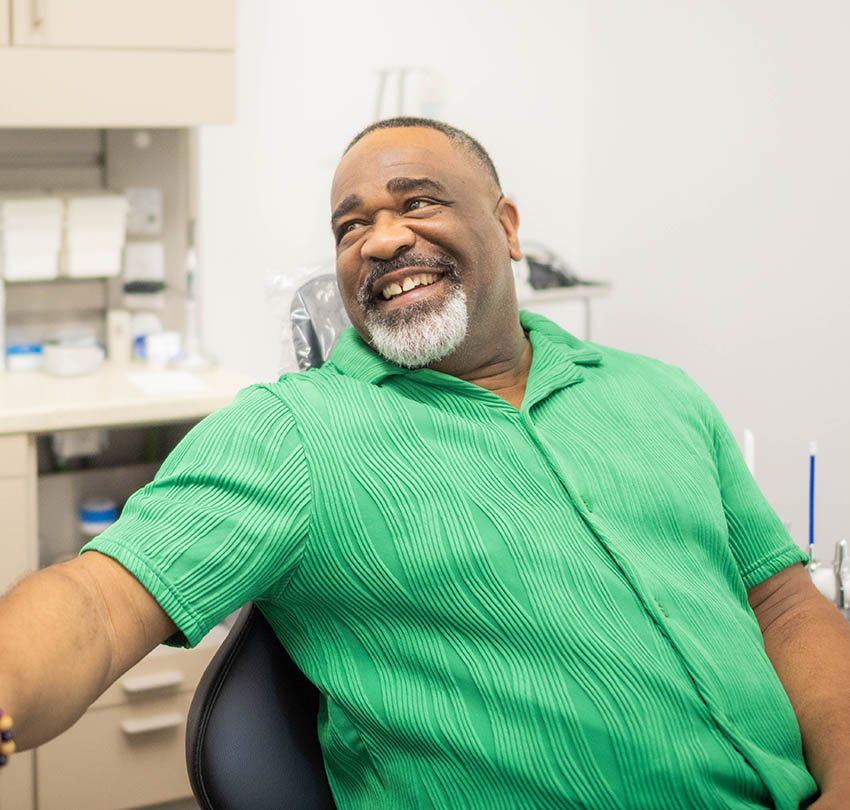

Xiaoli H
The tech for cleaning is amazing. I have dry mouth and sensitive teeth. The tech made the process comfortable and easy. No pain at all.

With proper care, zirconia dental implants can last 15 to 20 years or longer — and for many patients, a well-placed and well-maintained implant lasts a lifetime. Zirconia is a strong, biocompatible ceramic that fuses with your jawbone much like titanium, but without metal. How long any implant lasts ultimately depends on your bone health, your home care, and regular professional maintenance.
If you are weighing a metal-free option to replace a missing tooth, longevity is usually the first question that comes to mind. Here is what actually determines how long a zirconia implant will serve you, and how to protect that investment for years to come at our Pensacola, FL practice.
Zirconia implants are made from a ceramic material rather than titanium, offering the same basic function — a root-shaped post placed into your jawbone that supports a crown — without any metal content. Because zirconia is white rather than gray, it also avoids the dark line that can sometimes show through the gum tissue with metal implants. You can learn more about ceramic zirconia dental implants and how they compare to traditional options on our site.
Long-term data on zirconia implants continues to grow as the material has been refined over the past couple of decades, but well-placed zirconia implants are expected to function for 15 to 20-plus years, similar in durability to titanium implants when placed and maintained correctly. The implant itself — the post fused into your bone — is generally the most durable part of the equation. The crown attached to it may need replacement sooner due to normal wear, typically somewhere in the 10 to 15-year range, though this varies by patient.
Zirconia implants rely on osseointegration — the process by which bone fuses to the implant surface. Adequate bone density and volume at the time of placement give the implant a stronger, more stable foundation, which supports a longer lifespan.
Implants do not get cavities, but the gum and bone tissue around them can still develop inflammation if plaque is allowed to build up. Consistent brushing, flossing, and use of any recommended interdental tools protect the tissue that holds your implant in place.
Routine dental visits allow us to check the health of the tissue around your implant, monitor your bite, and catch early signs of inflammation (called peri-implantitis) before they threaten the implant’s stability.
Grinding or clenching places repetitive stress on any implant, metal or ceramic. If you grind your teeth, a nightguard can meaningfully extend the life of your restoration by reducing that load.
Smoking and uncontrolled systemic conditions such as diabetes can slow healing and affect the surrounding bone and gum tissue, which in turn can shorten an implant’s functional life.
Even a well-placed implant benefits from monitoring over the years. It is worth reaching out to our team if you notice any of the following, since catching an issue early usually means a simpler fix:
None of these automatically mean the implant is failing, but each one is worth having evaluated so we can address it before it progresses.
The first several months after placement are when osseointegration actually occurs, as bone gradually fuses to the implant surface. This healing window is one of the most important periods for long-term success. We monitor your progress closely during this time, and following our guidance on diet, oral hygiene, and activity while the site heals gives your implant the strongest possible foundation. Rushing this phase, or loading the implant with a permanent crown before it is fully integrated, is one of the more common reasons implants fail prematurely.
Titanium implants have a longer clinical track record simply because they have been used longer, but current evidence suggests zirconia implants achieve comparable integration and survival rates when placed by an experienced provider. The meaningful difference for most patients is biocompatibility and aesthetics rather than a significant gap in lifespan. You can read a fuller comparison in our article on zirconia implants as a metal-free alternative to titanium.
Zirconia implants tend to be a strong fit for patients who:
The best way to know if you are a candidate is a consultation and imaging to evaluate your bone and overall oral health, whether you are replacing a single tooth or considering options across our dental implants services.
A few habits go a long way toward protecting your investment. Brush and floss around the implant just as you would a natural tooth, keep up with your regular cleanings and exams, wear a nightguard if you grind your teeth, and let us know right away if you notice looseness, swelling, or discomfort. Catching small issues early is almost always easier to manage than waiting until a problem has progressed.
Dr. Christopher M. Campus has practiced dentistry in his hometown of Pensacola since 2008 and completed Comprehensive Implant Training in 2012, along with advanced training in implant and biological dentistry. That depth of experience means your implant plan is built around your specific bone structure and health history from the start — not a one-size-fits-all approach. In our Pensacola practice, we take the time to explain exactly what will support your implant’s longevity, so you know what to expect for years down the road.
Like any implant, zirconia implants can fail, though it is uncommon when placed in adequate bone with proper healing. Poor bone quality, uncontrolled grinding, infection, or inadequate home care are the most common contributors to failure.
The crown may need replacement over time due to normal wear, typically well before the implant post itself needs any attention. Your dentist will monitor this at routine visits.
It can be, particularly if a metal sensitivity was a contributing factor. A consultation can help determine whether zirconia is right for your specific situation.
We recommend maintaining your regular cleaning and exam schedule, along with any additional monitoring we suggest during your healing period, to keep the implant and surrounding tissue in optimal health.
It depends on the cause and how early it is caught. Some cases of early inflammation around an implant can be managed with treatment, while more advanced bone loss around the implant may require removal and replacement. This is exactly why routine monitoring matters so much.
If you are exploring a durable, metal-free option to replace a missing tooth, schedule your visit with Biodental Health and Longevity in Pensacola, FL, to find out whether a zirconia implant is right for you.