

Xiaoli H
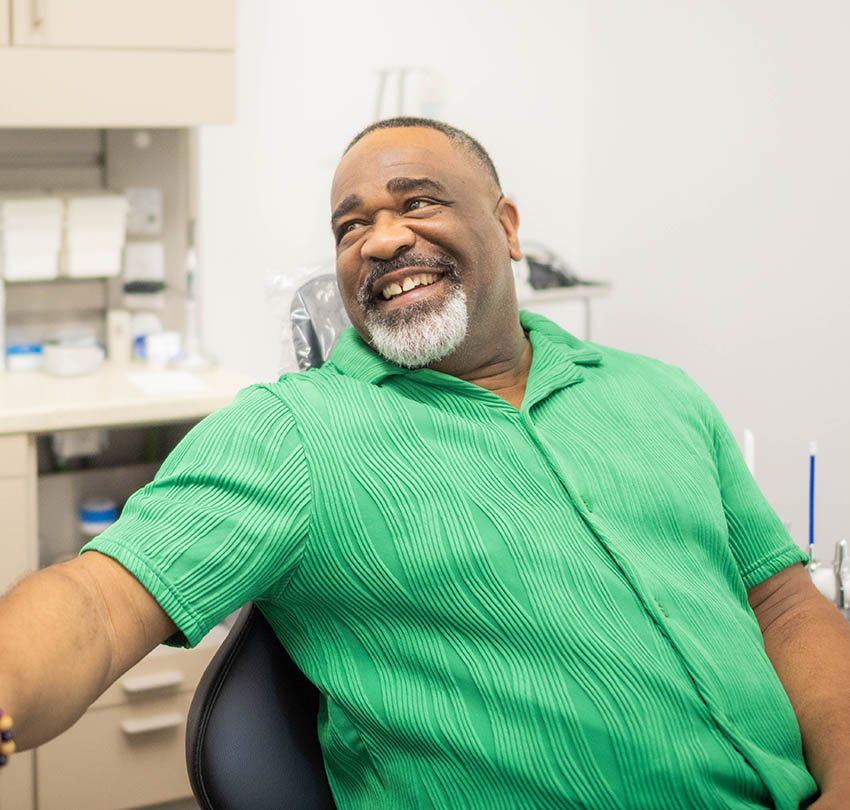
The tech for cleaning is amazing. I have dry mouth and sensitive teeth. The tech made the process comfortable and easy. No pain at all.
Laser dentistry is considered safe for sensitive patients and often makes a good option for those who experience discomfort with traditional dental tools. The FDA has approved dental lasers since 1990, and modern laser systems provide precise, gentle treatment that minimizes pain, reduces bleeding, and speeds healing. For patients with dental anxiety or tooth sensitivity, laser procedures can turn what was once a stressful experience into a comfortable one.
At Biodental, we use laser technology as part of our biological approach to dental care. This means treating your mouth in ways that work with your body, not against it. If you’ve avoided the dentist because of sensitivity or fear, laser dentistry might be the answer you’ve been looking for. Our team has welcomed patients who hadn’t sat in a dental chair for years, and laser treatment is one reason they finally returned.
Laser dentistry is a treatment approach that uses focused light energy to perform precise dental procedures without the vibration, pressure, or noise of traditional tools. It can cut, reshape, or remove tissue with remarkable accuracy, replacing mechanical handpieces, scalpels, and sutures in many treatments while preserving more of your natural tooth and gum structure.
The word “laser” stands for Light Amplification by Stimulated Emission of Radiation. In dental applications, this concentrated light beam targets tissue with a level of control mechanical tools simply can’t match.
The FDA first approved dental lasers in 1990, and the technology has continued advancing ever since. What started as a specialized tool has become a standard option in practices that invest in patient comfort. Today’s dental practices use two main categories of lasers:
Different wavelengths serve different purposes. Diode lasers do well with soft tissue procedures, while Er:YAG lasers can remove decay from teeth. CO2 lasers offer yet another option for specific treatments, and Nd:YAG lasers are sometimes used in periodontal therapy. Each system has unique properties that allow your dentist to match the right tool to the right procedure.
What makes laser dentistry appealing for people who dread dental visits? These devices replace mechanical handpieces, scalpels, and sutures in many procedures. There’s no grinding against your teeth, no blade touching your gums, and often no stitches needed afterward. At Biodental, we incorporate laser technology because it aligns with our biological philosophy of working with your body rather than against it.
The laser delivers concentrated light energy that targets tissue without physical contact or vibration. This basic difference from traditional tools explains why anxious patients prefer laser treatment.
When a soft tissue laser treats your gums, it cuts and cauterizes at the same time. This dual action means less bleeding during your procedure and reduced swelling afterward. Hard tissue lasers remove decay using light energy rather than the friction and pressure of mechanical tools.
For most patients, the most significant benefit is what’s missing: the high-pitched whine of older handpieces. That sound triggers anxiety in countless people, turning routine appointments into ordeals. Laser procedures are quiet.
The precision of laser dentistry matters for your comfort. Traditional tools remove some healthy tissue along with the problem area. Lasers target exactly what needs treatment, leaving more of your natural tooth and gum structure intact.
Patients who struggle with traditional dental care often find laser procedures remarkably different. Here’s what you can expect:
Most patients report significantly less discomfort during and after laser procedures compared to mechanical tools and scalpels. The light energy works differently than mechanical cutting, and many treatments can be completed without local anesthesia.
Soft tissue lasers seal blood vessels as they work. This cauterizing effect means your procedure stays cleaner, and you won’t deal with prolonged bleeding afterward.
The laser’s light energy sterilizes as it treats. This reduces the chance of bacteria entering the treatment site during your procedure.
Recovery from laser procedures typically takes hours rather than days. Many patients return to normal activities the same day, with minimal restrictions on eating or drinking. Because lasers seal tissue as they treat, your body has less repair work to do, which is one reason healing tends to feel more straightforward than with traditional methods. Some patients describe it as barely noticing they had a procedure done.
Because lasers often eliminate the need for stitches and reduce complications, you may need fewer post-procedure visits.
Without the loud handpiece noise, most patients feel calmer throughout their appointment. One patient described it as the difference between sitting next to a jackhammer and listening to a quiet hum. That psychological benefit matters just as much as the physical ones for people with dental anxiety.
Understanding how these approaches compare helps you make informed decisions about your care.
| Factor | Traditional Tools | Laser Dentistry |
|---|---|---|
| Noise Level | High-pitched mechanical sound | Quiet operation |
| Vibration | Significant | None |
| Bleeding | Common, may be heavy | Minimal due to cauterization |
| Anesthesia | Usually required | Often not needed |
| Sutures | Frequently needed | Rarely required |
| Recovery Time | Days to weeks | Hours to days |
| Tissue Preservation | Some healthy tissue removed | More precise, preserves healthy tissue |
| Anxiety Triggers | Multiple (sound, vibration, needles) | Minimal |
Both methods are safe when performed by trained professionals. The choice depends on your specific procedure, your comfort level, and what technology your dentist offers.
Dr. Christopher M. Campus, DDS, brings advanced training in biological dentistry techniques, including laser applications that align with whole-body health principles. His approach focuses on using materials and methods that work in harmony with your body.
Several factors influence what you’ll pay for laser dental procedures, including the type of procedure performed, the laser technology required, the scope of treatment, your provider’s training, and your insurance coverage. Long-term value also factors in, since faster healing and fewer complications often save money over time.
The detailed breakdown of cost factors looks like this. A routine laser cleaning costs less than laser-assisted gum surgery, since the complexity and time required directly affect pricing. Different procedures require different laser types, with soft tissue treatments using one system while hard tissue work requires another. Treating a single tooth costs less than addressing multiple areas, and your dentist will explain exactly what’s needed during your consultation.
Provider training plays a role too. Dentists with specialized laser certification have invested in additional education, and that expertise contributes to better outcomes. Insurance coverage varies by procedure and carrier. Some insurers treat laser procedures the same as traditional alternatives, while others have different policies. Our team can help you understand your benefits.
Consider the bigger picture when weighing cost. Faster healing means less time away from work. Fewer follow-up visits save money and time. Reduced complications mean fewer unexpected costs. Biodental offers multiple payment plans and financing options to make treatment accessible. Your dental health shouldn’t be limited by cost concerns.
Good candidates for laser dentistry include patients with dental anxiety, tooth or gum sensitivity, bleeding disorders, compromised immune systems, and anyone seeking gentler care for cosmetic or restorative procedures. Children and elderly patients also tend to do well with laser treatment. At Biodental, we evaluate each person individually to determine the best approach.
Not every procedure can be performed with lasers, and not every patient is an ideal candidate. During your consultation at Biodental, we’ll evaluate your specific situation and recommend the best approach for your needs.
Yes. The FDA has approved dental lasers for various oral health applications since 1990, and laser dentistry is safe for patients of all ages when performed by trained professionals. Your dentist at Biodental will evaluate your specific health situation to confirm laser treatment is appropriate for you.
Most patients experience significantly less discomfort with laser dentistry compared to traditional methods. Many laser procedures can be completed without anesthesia injections. You may feel warmth or slight pressure, but the intense soreness associated with mechanical tools is typically absent. Anesthesia is still available if you prefer it.
Faster than traditional methods, in most cases. Many patients return to normal activities within 24 to 48 hours. The cauterizing effect reduces bleeding and swelling, while the precision of laser treatment means less tissue trauma. Your specific recovery time depends on the procedure performed.
Yes to both. Hard tissue lasers can remove decay from teeth, while soft tissue lasers treat gum infections and reshape gum tissue. Laser-assisted periodontal therapy has become a popular option for treating gum disease with less discomfort than traditional approaches.
Laser dentistry carries minimal risks when performed by trained professionals. Possible side effects include temporary sensitivity or minor discomfort at the treatment site. The risks are generally lower than traditional procedures because lasers reduce bleeding, infection risk, and tissue trauma. Your dentist at Biodental will discuss any specific concerns based on your health history.
Generally, yes. Your dentist will evaluate your specific situation, and many pregnant patients appreciate that laser procedures often require less anesthesia. As with any dental treatment during pregnancy, inform your dentist so they can take appropriate precautions.